Knowing how to personalize a letter is what turns a perfectly nice message into one the reader keeps. A personalized letter reads as though it could only have been written for that one person — and that's exactly what makes it land. The best part is that personalization isn't a talent; it's a set of small, learnable habits. Here are seven simple ways to make any letter feel unmistakably yours, whether it's for a friend, a partner, or a client.
Start with the right greeting, then follow it with a line that anchors the letter to your shared world: a reference to your last conversation, a running joke, or something they mentioned in passing. "Dear Sam — I'm still laughing about the parking-garage saga" beats "Dear Sam" every time.
Generic warmth is forgettable; a specific memory is not. Bring up a particular day, trip, or moment the two of you shared and describe a detail from it. The reader is instantly transported, and they know the letter was written for them and no one else.
Weave in what they care about — their new allotment, the team they support, the book they can't stop talking about. Showing that you remember the details of their life is one of the clearest signals of genuine attention.
Personalization runs both ways: the letter should sound like you, not like a template. If you're funny in person, be funny on the page. If you're plain-spoken, stay plain-spoken. A letter that sounds like your actual voice feels personal automatically.
A note to a close friend can be loose and playful; a personalized letter to a client stays warm but professional. The skill is calibrating — personal enough to feel human, appropriate enough to fit the relationship. When you're writing formally, our guide to letter writing etiquette helps you find the line.
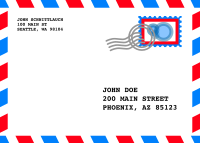
Personalization isn't only words. Choose stationery that suits them, add a favorite stamp, tuck in a photo, or include a small drawing. These physical details turn the letter into an object with your personality stamped on it. Our piece on the joy of sending and receiving snail mail is full of ideas here.
End with something that points ahead — a plan to meet, a question you genuinely want answered, or a wish for something coming up in their life. It signals that the relationship continues past this one letter, which is the warmest note to close on.
The same principles work in professional correspondence, just dialed to the right register. Address the person by name, reference a specific past interaction, and tailor the content to their needs rather than sending a boilerplate template. In a business world running on copy-pasted email, a genuinely personalized letter is memorable and quietly persuasive.
It means writing so that the letter could only have been sent to that one person — using their name, shared memories, their interests, and your own natural voice, rather than generic phrasing that would fit anyone.
Personalization is about specificity, not length. One well-chosen memory or a single tailored reference does more than three paragraphs of general warmth. A short, specific letter beats a long, vague one.
Yes — and it should be. Address the recipient by name, reference a specific prior interaction, and tailor the content to their situation. Keep the tone professional, but skip the boilerplate.
No. What makes a letter personal is its content, not the medium. A cleanly printed letter tailored to the reader is just as personal — and often easier to read — than a handwritten one.
Personalizing a letter comes down to specificity, your own voice, and genuine attention to the reader. Apply even a couple of these techniques and your correspondence will stand out. When you're ready to send, the Letter app lets you format and print your personalized letter from your iPhone, iPad, Mac, or Android device. And if you'd like to understand why this effort resonates so deeply, see our companion piece on why personalized letters still matter.
This article was created with the help of artificial intelligence.